
Why Contingency Search is Ideal for Fast-Paced Food Hiring
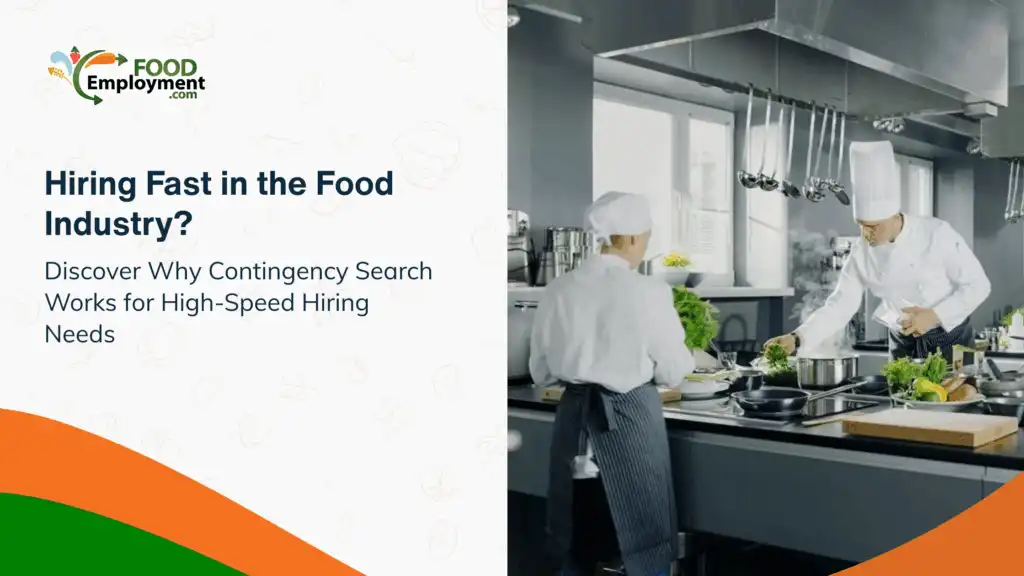
Hiring in the food industry is no small feat, especially given the rapid turnover rates, seasonal demands, and specialized skill sets required. Whether you’re in food manufacturing or the service sector, the need to hire quickly, without compromising on quality, is ever-present. Traditional recruitment methods often struggle to meet these demands, especially when dealing with time-sensitive roles and high-volume hiring.
Enter contingency search, a recruitment model designed to bring in talent quickly without the upfront costs typically associated with retained search. This approach aligns perfectly with the unique challenges of the food industry, where speed, flexibility, and access to specialized candidates can make all the difference in meeting production timelines and scaling operations efficiently.
What is Contingency Search Recruiting?
Contingency search is a recruitment model where the hiring company only pays the recruitment agency when a candidate is successfully placed in the job. This “pay-per-hire” structure eliminates the need for upfront costs, unlike retained search, where companies pay a fee regardless of the outcome.
In terms of timeline, contingency recruiters typically work quickly, aiming to present candidates within a short time frame, often within a few weeks. This speed is ideal for food businesses that require rapid responses to changing staffing needs.
How Contingency Search Works in Practice
The process starts when a company sends a job order to the recruitment agency. The agency works to understand the company’s requirements and begins sourcing candidates, often leveraging both active and passive job seekers. Contingency search often involves multiple recruiters competing for the same placements, which can lead to faster turnaround times. Payment is only required once a candidate is successfully placed.
The Unique Hiring Challenges in the Food Industry
1. Speed Requirements
The food industry moves quickly, with constant demands ranging from seasonal peaks to unexpected staffing gaps. The urgency to fill roles swiftly is critical, especially when food manufacturers must respond to tight production schedules or surges in demand. In these scenarios, contingency search excels by offering immediate access to a pool of qualified candidates, ensuring that hiring is both fast and efficient, as seen in how contingency search can accelerate hiring in food manufacturing.
2. Specialized Skill Sets
In food manufacturing, hiring isn’t just about finding warm bodies. Specialized skills, such as food safety certifications (e.g., HACCP, SQF), technical expertise in processing, and regulatory compliance knowledge, are non-negotiable. Contingency recruiters who specialize in the food industry understand these specific needs and have access to a network of certified candidates ready to step in.The benefits of contingency search in the food industry are particularly clear when it comes to meeting these requirements efficiently.
3. High Volume and High Turnover
Turnover rates in the food industry can be staggering, particularly in high-stress environments like restaurants or warehouses. This constant churn means food businesses often need to fill multiple positions simultaneously, which is a challenge when relying on traditional hiring methods. Contingency search offers a scalable solution, enabling food companies to quickly and efficiently meet their hiring demands.
Why Contingency Search Aligns with Fast-Paced Food Hiring Needs
1. No Upfront Investment or Financial Risk
Contingency search eliminates upfront fees, allowing companies to pay only when a candidate is successfully placed, making it a low-risk option, especially for businesses with fluctuating hiring needs.
2. Speed and Agility
Contingency recruiters work quickly, accessing a wide network of candidates, including passive job seekers. This fast-paced approach helps food businesses fill positions faster than traditional methods.
3. Access to Industry-Specific Networks
Recruiters specializing in the food industry have valuable connections and knowledge, including familiarity with certifications like HACCP and food processing regulations, ensuring a better fit for specialized roles. Read more about the flexibility that contingency recruiters provide in food hiring.
4. Scalability for Fluctuating Hiring Needs
Contingency search provides flexibility, enabling companies to scale hiring efforts up or down based on seasonal surges or sudden vacancies without long-term commitments.
5. Reduced Internal Resource Burden
By outsourcing the screening, vetting, and initial candidate communication, contingency search allows internal HR teams to focus on strategic tasks while ensuring high-quality candidates are considered.
Best Practices: When Contingency Search Works Best for Food Companies
Ideal Scenarios for Contingency Recruiting
Contingency search is particularly effective for food businesses looking to fill mid-level or senior positions, such as plant managers, quality directors, and R&D specialists. It’s also a great choice for food safety roles, operational management, and positions requiring specialized technical knowledge.
Positions That Benefit Most
- Quality Assurance and Food Safety roles, where certifications like HACCP are a must.
- Plant and Operations Management, which require experience in food production environments.
- Supply Chain and Logistics, particularly for roles that require knowledge of food distribution and perishable goods.
- Food Scientists and Product Development for companies focused on innovation.
- Sales and Account Management within the food sector, where industry knowledge is key.
How to Maximize Results with Contingency Recruiters
To get the best results, food companies should provide clear and detailed job descriptions and set realistic timelines. Maintaining open communication and offering competitive compensation packages also helps attract top talent. Regular feedback on candidates ensures the recruiter’s efforts are aligned with the company’s needs.
Contingency Search vs. Other Hiring Methods for Food Industry
1. Contingency vs. Retained Search
Both contingency and retained search models involve recruiting for a fee, but the key difference is that contingency search doesn’t require payment upfront. This makes it a flexible option for food companies with ever-changing hiring demands, while retained search is better suited for high-level roles, like executives, that necessitate a long-term partnership. If you’d like to explore the differences in more detail, take a look at our breakdown of Contingency vs. Retained Search.
2. Contingency vs. Internal Recruiting
Internal recruiting can be effective but often lacks the resources and specialized networks of contingency recruiters. For food businesses with limited HR capacity or specialized hiring needs, relying on internal teams alone may lead to slower hiring processes or missed opportunities.
3. Contingency vs. Job Boards and Direct Sourcing
Job boards and direct sourcing can be time-consuming and less effective in reaching passive candidates. While job boards cast a wide net, they don’t always capture the specialized talent required in the food industry. Contingency search, with its targeted approach and recruiter networks, often provides better-quality candidates faster.
Common Concerns About Contingency Search (and How to Address Them)
1. “Won’t Multiple Recruiters Submit the Same Candidates?”
To prevent this, establish clear submission protocols with your recruiters. By doing so, you ensure that the process remains organized and that each recruiter focuses on submitting distinct candidates.
2. “How Do I Ensure Quality Over Speed?”
Quality is essential. Make sure you set clear standards and expectations with your recruiting partner. Discuss your priorities upfront to avoid any misunderstandings.
3. “What About Candidate Experience?”
Reputable recruiters will prioritize maintaining a positive candidate experience. By partnering with experienced recruiters, you can ensure that candidates are treated respectfully and professionally throughout the process.
4. “Is It Really Cost-Effective?”
While there is a fee for successful hires, consider the cost of unfilled positions and the impact of slow hiring on your business. In many cases, the ROI from a fast hire far outweighs the expense.
Finding the Right Contingency Recruiting Partner for Food Industry Hiring
1. Questions to Ask Potential Recruiters
Look for recruiters who specialize in the food industry, have a proven track record, and understand your company’s specific needs. Ask about their sourcing methods, success rates, and time-to-fill metrics.
2. Red Flags to Watch For
Be wary of recruiters who lack food industry expertise or make unrealistic promises about the speed of hiring. Clear and consistent communication is key to a successful partnership.
3. Building Long-Term Relationships
Working with a recruitment agency over time can yield long-term benefits. Building a relationship with a trusted recruiter ensures that you have a partner who understands your business and can quickly adapt to your hiring needs.
Conclusion
Contingency search is an ideal solution for food companies seeking to scale quickly, fill urgent positions, and secure high-quality talent at a lower cost. With the expertise of specialized recruiters, your business can stay agile and responsive to ever-changing hiring needs.
Get in touch with Food Employment to discover how our contingency search services can support your recruitment efforts and help you meet your staffing objectives.


